Get in Touch

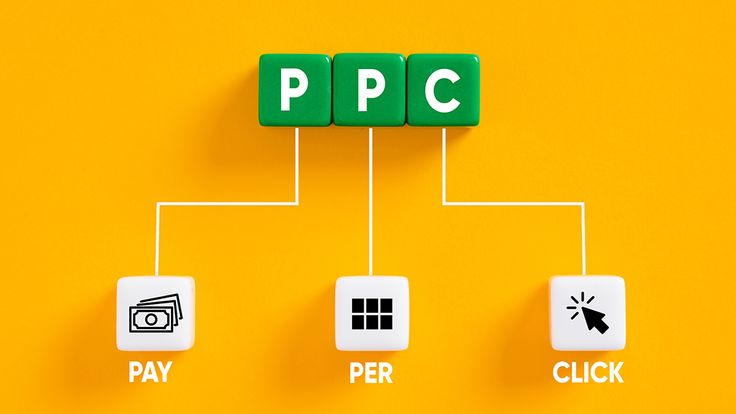
Learn what PPC (pay-per-click) marketing is, how it works, its types, benefits, and how it differs from organic marketing for your business.
Pay-per-click marketing, or PPC, is a type of online advertising where you only pay when someone clicks on your ad. It’s like renting a digital billboard, but instead of paying for views, you pay for clicks (or for someone to take action). That action could lead to a website visit, a product page view, or even a sale. You set the budget. You choose who sees the ad. And you only pay when someone’s interested enough to click. To clarify, Pay-Per-Click (PPC) marketing is a model of digital advertising where a business pays for every click on their advertisement. It's commonly used on platforms like Google Ads and social media to attract targeted traffic, boost brand visibility, and rapidly generate leads or sales by appearing at the top of search results or within users' feeds. PPC is a paid marketing method that helps businesses increase sales, awareness, engagement, and brand value. It works for small businesses and large enterprises alike.
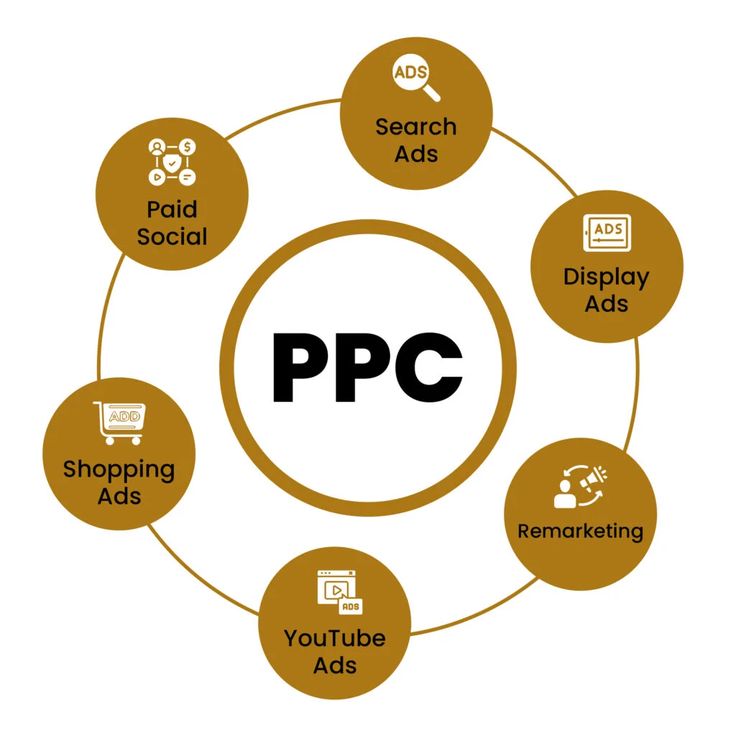
1. Search Advertising Campaigns Search ads show up on search engines like Google and Bing when a user searches for specific keywords. These campaigns help businesses reach people who are looking for their products or services. 2. Display Advertising Campaigns Display ads are visual advertisements, such as banners, images, or graphics, that appear on websites and applications. They are useful for increasing brand awareness and reaching a wider audience. 3. Social Media Advertising Campaigns Social media ads are displayed on platforms such as Facebook, Instagram, LinkedIn, YouTube, and X. Businesses can target users according to their interests, location, age, profession, and online behavior. 4. Video Advertising Campaigns Video ads are shown on platforms such as YouTube, Instagram, Facebook, and other video networks. They can be used to promote products, services, offers, tutorials, or brand messages. 5. Shopping Advertising Campaigns Shopping ads show product images, prices, and store details to help e-commerce businesses increase sales. 6. Remarketing Campaigns Remarketing ads target previous website visitors and encourage them to return and complete an action. 7. Lead Generation Campaigns Lead generation ads collect customer details, such as names, phone numbers, and email addresses.



PPC is a form of paid marketing in which businesses spend money to promote their services, products, or information through advertisements on search engines and social media platforms. These ads are shown to users based on their interests, search queries, demographics, or online behavior. Organic traffic is different from PPC marketing. In organic marketing, users find a website or blog on their own when they search for a query on Google, Bing, or an AI platform. The website or blog page appears in the search results without the business paying for each click. Organic traffic helps a website generate visitors, leads, and sales naturally. Although organic marketing does not require payment for every click, it usually requires consistent effort, valuable content, SEO, and regular website optimization.